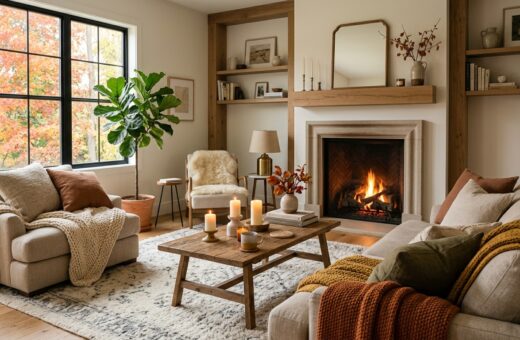
Choosing the right Interior Design Styles can completely transform your home into a space that reflects your personality, supports your lifestyle, and feels comfortable every day. Whether you're decorating a new home, renovating a room, or simply refreshing your existing décor, understanding different design styles makes the process much easier.
Each style has its own unique combination of colors, furniture, materials, textures, and decorative elements. Some emphasize simplicity and functionality, while others celebrate luxury, warmth, or artistic expression.
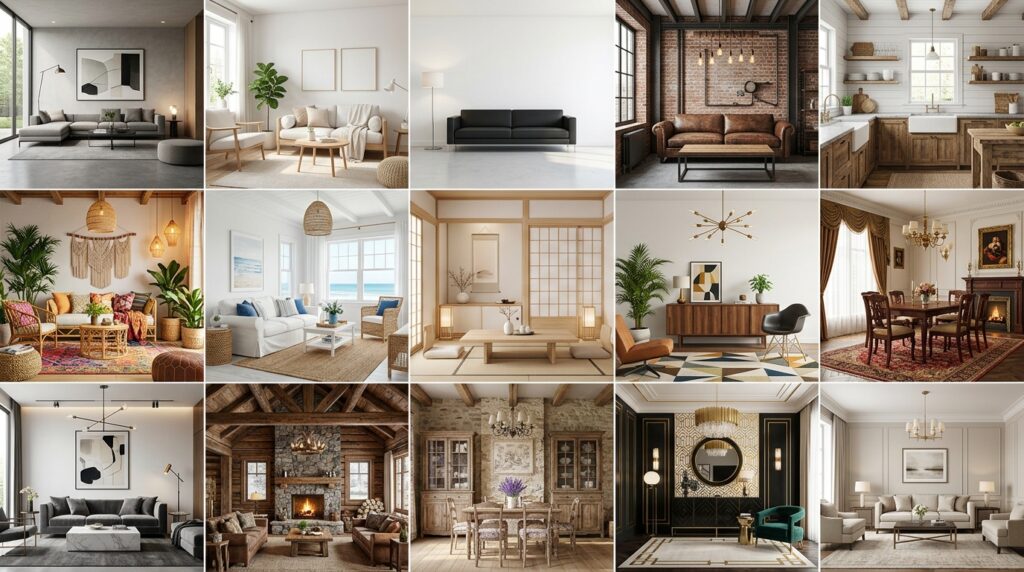
This guide explores 15 popular Interior Design Styles, highlights their defining characteristics, and provides practical advice for selecting the one that best suits your home.
Why Your Interior Design Style Matters
Your home's design affects more than appearance.
A well-chosen style helps:
- Create visual harmony
- Improve comfort
- Reflect your personality
- Simplify decorating decisions
- Increase home value
- Enhance functionality
- Make spaces feel more inviting
Choosing a consistent style creates a cohesive look throughout your home.
1. Modern Style
Modern interiors focus on simplicity and clean lines.
Key Features
- Neutral colors
- Open layouts
- Minimal decoration
- Glass and metal finishes
- Functional furniture
Perfect for homeowners who appreciate uncluttered spaces.
2. Scandinavian Style
Scandinavian design combines warmth with minimalism.
Characteristics
- White walls
- Light wood furniture
- Cozy textiles
- Natural lighting
- Simple décor
This style creates bright and relaxing living spaces.
3. Minimalist Style
Minimalism embraces the philosophy that less is more.
Essentials
- Clean surfaces
- Limited color palette
- Functional furniture
- Hidden storage
- Simple accessories
Ideal for reducing visual clutter.
4. Industrial Style
Inspired by converted warehouses and factories.
Signature Elements
- Exposed brick
- Metal fixtures
- Concrete finishes
- Leather furniture
- Open ceilings
Industrial interiors feel bold and contemporary.
5. Farmhouse Style
Farmhouse interiors blend rustic charm with everyday comfort.
Popular Features
- Shiplap walls
- Reclaimed wood
- Neutral colors
- Vintage décor
- Cozy fabrics
Modern farmhouse remains one of today's most popular decorating trends.
6. Bohemian Style
Bohemian interiors celebrate creativity and individuality.
Common Elements
- Layered textiles
- Colorful rugs
- Houseplants
- Handmade décor
- Mixed patterns
Perfect for free-spirited homeowners.
7. Coastal Style
Inspired by the beach and ocean.
Typical Features
- Soft blues
- Sandy neutrals
- Natural fibers
- Driftwood accents
- Airy layouts
Coastal homes feel fresh and peaceful.
8. Japandi Style
Japandi blends Japanese simplicity with Scandinavian comfort.
Defining Characteristics
- Neutral earth tones
- Natural wood
- Minimal furniture
- Organic materials
- Functional design
This style emphasizes calm and balance.
9. Mid-Century Modern
A timeless design style inspired by the 1950s and 1960s.
Key Characteristics
- Tapered wooden legs
- Geometric shapes
- Organic curves
- Bold accent colors
- Iconic furniture
Its classic appeal continues to influence modern interiors.
10. Traditional Style
Traditional interiors draw inspiration from classic European design.
Features
- Rich wood furniture
- Elegant fabrics
- Symmetrical layouts
- Decorative moldings
- Timeless accessories
Traditional spaces feel refined and welcoming.
11. Contemporary Style
Often confused with modern design, contemporary style evolves with current trends.
Includes
- Open floor plans
- Neutral tones
- Statement lighting
- Mixed materials
- Clean architectural lines
It balances comfort with sophistication.
12. Rustic Style
Rustic interiors emphasize natural beauty.
Common Materials
- Exposed wood
- Stone
- Leather
- Wrought iron
- Earth-tone colors
Rustic homes create a cozy cabin-inspired atmosphere.
13. French Country Style
French Country combines rustic charm with elegant details.
Characteristics
- Soft pastel colors
- Distressed furniture
- Floral patterns
- Vintage accents
- Natural textures
It offers timeless European elegance.
14. Art Deco Style
Art Deco is known for glamour and luxury.
Hallmarks
- Bold geometric patterns
- Gold accents
- Marble surfaces
- Velvet upholstery
- Dramatic lighting
Perfect for homeowners who enjoy sophisticated interiors.
15. Transitional Style
Transitional design blends traditional and contemporary elements.
Features
- Neutral colors
- Clean lines
- Comfortable furniture
- Minimal ornamentation
- Balanced décor
It provides flexibility and timeless appeal.
How to Choose the Right Interior Design Style
1. Consider Your Lifestyle
Ask yourself:
- Do you have children?
- Do you own pets?
- Do you entertain frequently?
- Do you work from home?
Your lifestyle should influence your decorating decisions.
2. Identify Your Favorite Colors
Notice the colors you're naturally drawn to.
Warm palettes often suit:
- Farmhouse
- Rustic
- Traditional
Cool palettes complement:
- Scandinavian
- Coastal
- Contemporary
3. Evaluate Your Home's Architecture
Some styles naturally fit certain homes.
For example:
- Loft apartments suit Industrial design.
- Beach homes complement Coastal interiors.
- Historic homes often pair well with Traditional or French Country styles.
4. Create an Inspiration Board
Collect photos that inspire you.
Look for patterns in:
- Furniture
- Lighting
- Color schemes
- Textures
- Materials
You'll often discover your preferred style naturally.
5. Mix Styles Carefully
Many beautiful homes combine two complementary styles.
Popular combinations include:
- Japandi + Scandinavian
- Modern + Industrial
- Farmhouse + Contemporary
- Coastal + Minimalist
- Traditional + Transitional
Aim for one dominant style with subtle influences from another.
Interior Design Styles Comparison
| Style | Best For | Color Palette | Overall Feel |
|---|---|---|---|
| Modern | Urban homes | Neutral | Clean |
| Scandinavian | Small spaces | White & wood | Bright |
| Minimalist | Organized living | Neutral | Simple |
| Industrial | Lofts | Gray & black | Bold |
| Farmhouse | Family homes | Warm neutrals | Cozy |
| Bohemian | Creative spaces | Colorful | Relaxed |
| Coastal | Beach-inspired homes | Blue & white | Airy |
| Japandi | Calm interiors | Earth tones | Peaceful |
| Mid-Century Modern | Retro lovers | Warm wood | Timeless |
| Traditional | Classic homes | Rich colors | Elegant |
| Contemporary | Modern lifestyles | Neutral | Sophisticated |
| Rustic | Cabins | Earth tones | Natural |
| French Country | Elegant homes | Soft pastels | Romantic |
| Art Deco | Luxury interiors | Bold tones | Glamorous |
| Transitional | Versatile homes | Neutral | Balanced |
Common Decorating Mistakes
Avoid:
- Mixing too many styles
- Buying furniture before planning
- Ignoring lighting
- Following trends without considering your taste
- Overdecorating rooms
- Choosing style over comfort
A well-designed home should be both beautiful and functional.
Frequently Asked Questions
Which interior design style is the most popular?
Modern, Scandinavian, Farmhouse, Japandi, and Contemporary styles are among today's most popular choices because they balance beauty with practicality.
Can I mix different interior design styles?
Yes. Mixing complementary styles creates a personalized home. The key is maintaining consistent colors, materials, and proportions.
Which style works best for small homes?
Scandinavian, Minimalist, and Japandi designs are excellent choices because they maximize light, reduce clutter, and emphasize functionality.
How do I know which style fits me?
Consider your lifestyle, favorite colors, furniture preferences, and the overall atmosphere you want to create. Building an inspiration board is a great way to identify recurring themes.
Conclusion
Exploring different Interior Design Styles is the first step toward creating a home that truly reflects your personality and supports your everyday life. Whether you're drawn to the clean simplicity of Minimalism, the warmth of Farmhouse décor, the elegance of Traditional design, or the serenity of Japandi, the best style is one that feels authentic to you.
Remember that great interior design isn't about following trends—it's about creating spaces where you feel comfortable, inspired, and at home. Start with one room, choose a consistent design direction, and build your home thoughtfully over time. With careful planning and personal touches, you'll create a beautiful interior that remains timeless for years to come.