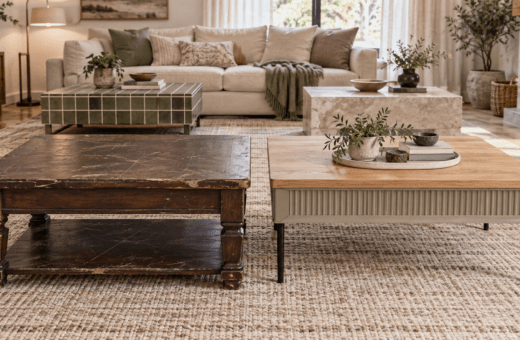
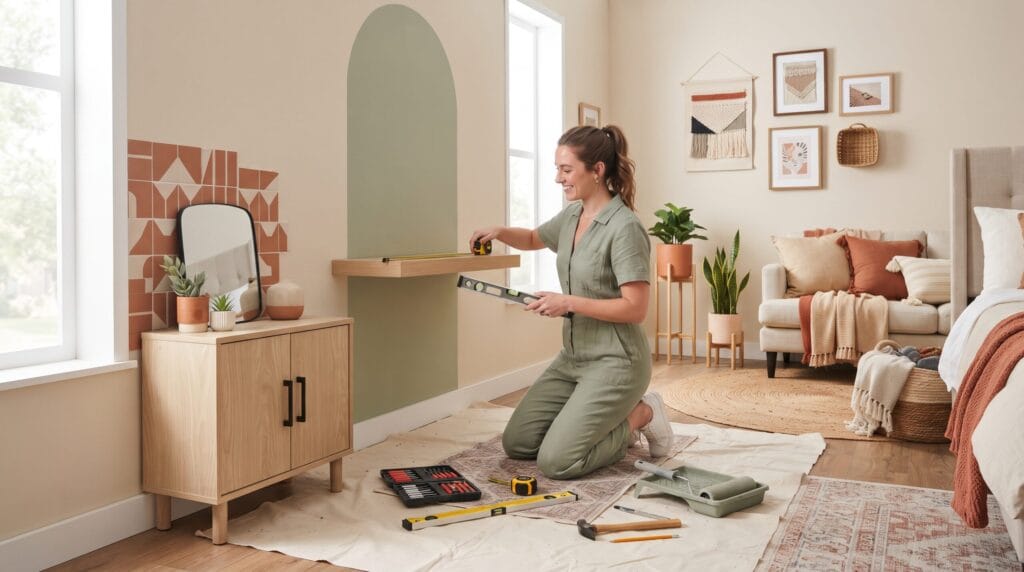
DIY projects are most satisfying when the finished result looks intentional rather than homemade in the wrong way. The good news is that you do not need advanced carpentry skills, expensive power tools, or a full workshop to improve your home. The best easy DIY home projects use simple materials, forgiving techniques, and smart design choices that hide beginner mistakes.
A polished DIY result usually comes from preparation. Straight lines, accurate measurements, clean edges, consistent spacing, and restrained colors make a bigger difference than complicated techniques. A simple painted arch can look more expensive than a poorly built custom wall. A neat framed textile can look more sophisticated than a large craft project with too many decorative elements.
This guide focuses on easy DIY home projects that beginners can complete with basic tools. Most of the ideas are cosmetic, reversible, or low-risk. They include paint, peel-and-stick surfaces, simple shelving, framed art, fabric upgrades, storage improvements, furniture refreshes, and styling projects.
Projects involving household wiring, plumbing connections, structural walls, gas lines, major tile work, or heavy overhead installation are outside the scope of this beginner guide. When a project affects safety systems or the structure of the home, use a qualified professional.
What Makes Easy DIY Home Projects Look Professional?
Beginner DIY work tends to look better when you follow a few rules.
Use Fewer Materials
One wood tone, one metal finish, and a simple color palette usually look more cohesive than several competing finishes.
Measure Twice
Consistent spacing makes even inexpensive materials look intentional.
Prepare the Surface
Paint and adhesive products perform better on clean, dry, smooth surfaces.
Finish the Edges
Visible gaps, ragged cuts, and uneven paint lines are what make many DIY projects look unfinished.
Stop Before Overdecorating
A strong project should improve the room without becoming the only thing you notice.
Beginner DIY Tool Kit
You do not need a large collection of tools.
A useful beginner kit includes:
- Tape measure
- Pencil
- Small level
- Screwdrivers
- Utility knife
- Scissors
- Painter’s tape
- Sanding block
- Small hammer
- Paint brush
- Mini paint roller
- Drop cloth
- Microfiber cloth
- Drill and appropriate bits, only for projects you understand
- Stud finder for wall-mounted projects
Always use eye protection and follow product instructions when drilling, sanding, cutting, or using adhesives.
1. Paint a Simple Accent Arch
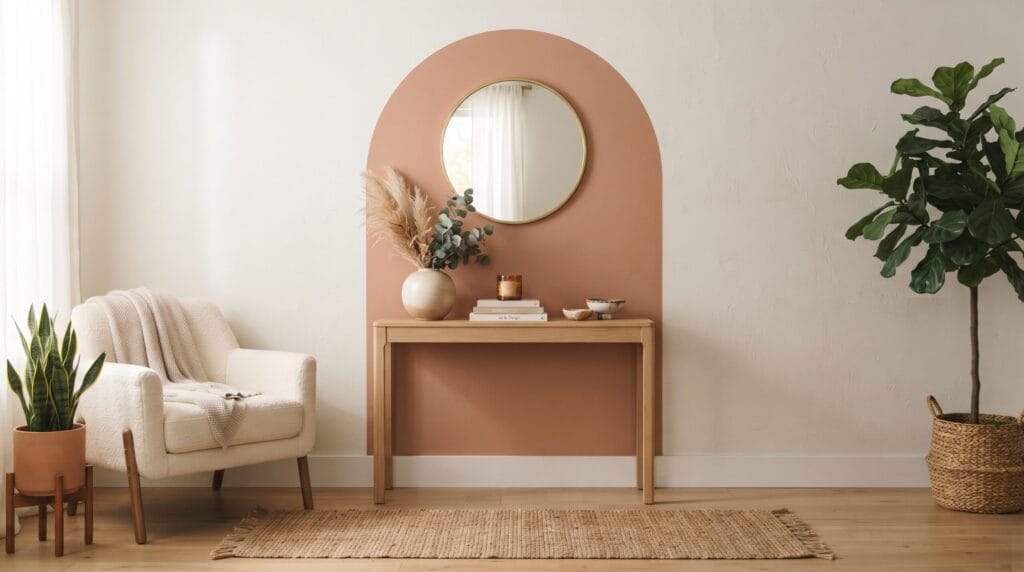
A painted arch creates the look of an architectural feature without construction.
Why It Works
The curve creates a focal point and can visually frame:
- Console tables
- Desks
- Beds
- Reading chairs
- Shelves
Materials
- Interior wall paint
- Painter’s tape
- Pencil
- String
- Small nail or removable center marker
- Brush
- Roller
Beginner Method
- Mark the width of the arch.
- Create the straight vertical sides with painter’s tape.
- Find the center point of the curved top.
- Use a pencil tied to string as a simple compass.
- Draw the curve lightly.
- Cut in the edge carefully with a brush.
- Roll the center area.
Make It Look Better
Choose a muted color that already appears elsewhere in the room.
A single color block usually looks more refined than adding multiple outlines or patterns.
2. Create a Color-Blocked Wall
A rectangle, half-wall, or geometric block is one of the most forgiving easy DIY home projects.
Best Locations
- Home office
- Bedroom
- Dining nook
- Entryway
- Kids’ room
Professional Tip
Use a level before applying painter’s tape.
After taping, seal the edge with a very thin coat of the existing wall color. Let it dry, then apply the new color. This can reduce paint bleeding.
3. Frame Fabric or Wallpaper as Art
Large art can be expensive, but fabric and wallpaper remnants can create strong wall pieces.
Materials
- Large frame
- Fabric or wallpaper sample
- Backing board
- Double-sided archival tape or another suitable reversible method
Style Ideas
- Block-print fabric
- Linen
- Graphic wallpaper
- Vintage textile
- Botanical pattern
Why It Looks Polished
The frame gives the material structure and makes a simple pattern feel intentional.
Use a generous mat or border when possible.
4. Make a Minimal Gallery Wall
A beginner gallery wall works best when the frames have one clear relationship.
Keep Consistent
Use either:
- Matching frame colors
- Matching mat sizes
- A repeated spacing measurement
- One visual theme
Easy Layout
Create a two-by-three grid with equal spacing.
This is easier to execute than an organic salon-style arrangement.
Installation Tip
Lay the frames on the floor first and measure the full composition before making holes.
Also Read: 30 Living Room Ideas for a Comfortable and Stylish Home
5. Upgrade Plain Cabinet Hardware
Replacing knobs or pulls can quickly modernize a kitchen, bathroom, dresser, or wardrobe.
Before Buying
Measure:
- Existing hole spacing
- Screw length
- Door thickness
- Clearance around edges
Easy Style Upgrades
- Matte black on light cabinetry
- Brass on dark green or navy
- Wood knobs on white furniture
- Brushed nickel in minimalist interiors
Make It Look Better
Keep the same finish across one cabinet group.
Mixing several metals randomly can make a small project look unfinished.
6. Refresh a Small Side Table With Paint
A side table is a good beginner furniture project because the surface area is manageable.
Basic Process
- Clean thoroughly.
- Lightly sand if the finish requires it.
- Remove dust.
- Use a suitable primer when needed.
- Apply thin paint coats.
- Allow proper drying time.
- Reinstall hardware after curing.
Better Color Choices
For a polished result, use:
- Warm white
- Deep green
- Charcoal
- Soft taupe
- Muted blue
- Terracotta
Bright colors can work, but restraint is easier for beginners.
7. Add Peel-and-Stick Backsplash to a Small Area
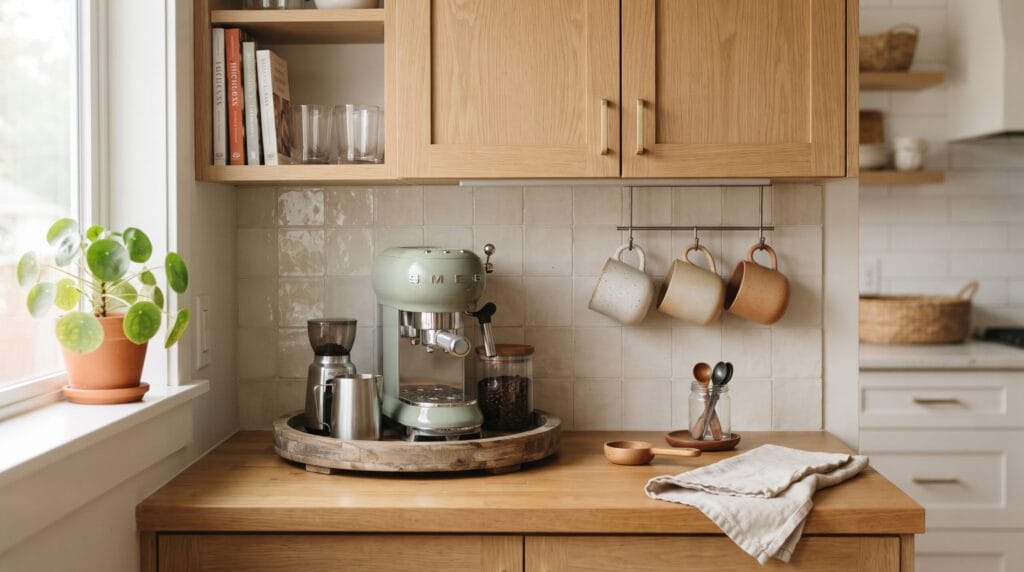
Peel-and-stick products can be useful for renters or low-commitment updates.
Best Beginner Areas
- Coffee station
- Small kitchen wall
- Laundry area
- Utility nook
Preparation Matters
The wall should be:
- Clean
- Dry
- Smooth
- Free of grease
Important Limitation
Check the manufacturer’s heat, moisture, and surface requirements before installation. Do not use adhesive products in locations where the manufacturer does not recommend them.
8. Use Peel-and-Stick Film on a Flat Furniture Surface
Removable film can update:
- Desk tops
- Side tables
- Drawer fronts
- Shelf interiors
- Small cabinets
Best Finishes
- Light oak
- Walnut
- Solid matte colors
- Subtle stone patterns
Beginner Tip
Work slowly with a smoothing tool and trim edges using a sharp craft knife.
Avoid highly glossy fake marble if the print looks obviously repetitive.
9. Make a Simple Picture Ledge
A picture ledge lets you rotate art without repeatedly adding wall holes.
Easiest Option
Use a ready-made unfinished wood ledge and finish it yourself.
You can:
- Paint it the wall color
- Stain it to match furniture
- Leave light wood natural
Styling Formula
Layer:
- One large frame
- One medium frame
- One small object
Do not cover the full ledge from end to end.
Safety
Use wall anchors or fasteners appropriate for the wall type and load. Heavy shelves or uncertain wall conditions should be handled by someone experienced.
10. Build a No-Sew Fabric Headboard Panel
A soft wall panel can create the look of a headboard without complex upholstery.
Materials
- Lightweight backing panel
- Foam or batting
- Fabric
- Stapler appropriate for the backing material
- Safe wall-mounting method
Style Choices
Choose durable woven fabric in:
- Oatmeal
- Olive
- Warm gray
- Navy
- Rust
- Soft beige
Make It Look Better
Use a plain fabric with visible texture rather than a complicated print.
11. Create a Removable Wall Molding Look
If permanent trim work feels too advanced, you can create a similar visual effect with lightweight removable molding products designed for interior decor.
Good Locations
- Entryway
- Bedroom
- Home office
- Dining area
Design Rule
Simple rectangular proportions usually look more convincing than many small decorative boxes.
Important Note
Use only products recommended for your wall surface and rental conditions.
12. Paint the Back of a Bookcase
Painting only the inside back panel creates depth without repainting the entire piece.
Why It Works
The contrast frames books and objects.
Good Colors
- Sage
- Deep blue
- Clay
- Charcoal
- Dusty pink
- Warm beige
Styling Tip
Repeat the new color in one or two accessories elsewhere in the room.
13. Add Wallpaper to the Back of Open Shelving
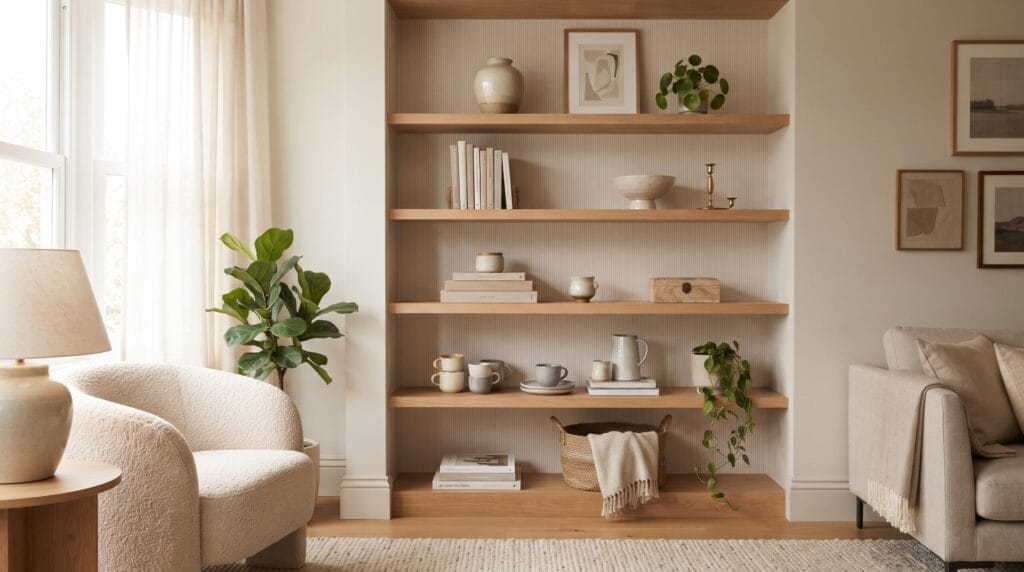
Wallpaper can create a similar effect with pattern.
Best Pattern Types
- Fine stripes
- Small botanicals
- Geometric repeats
- Textured-looking neutrals
Use a pattern that does not compete with the objects on the shelves.
14. Make a Simple Wooden Plant Stand
A small plant stand is a useful first assembly project.
Beginner-Friendly Approach
Use:
- A pre-cut wood round
- Three short furniture legs
- Screws or mounting plates recommended for the legs
- Sandpaper
- Paint or stain
Make It Look Better
Keep the proportions simple.
A low stand often looks more modern and is more stable than a very tall one.
Safety
Do not place heavy planters on a stand unless the hardware and construction are rated for the load.
15. Create a Tray From a Simple Wood Board
A decorative tray is easy to build and useful in several rooms.
Use It On
- Coffee tables
- Kitchen counters
- Bathroom vanities
- Dressers
- Entry consoles
Materials
- Pre-cut wood board
- Sandpaper
- Paint or stain
- Small handles, optional
Design Tip
A rectangular tray with rounded corners and a matte finish often looks more expensive than a heavily decorated version.
16. Make a Painted Checkerboard Tray
A checkerboard pattern is easier on a small flat object than on a wall or floor.
Beginner Method
- Measure the tray surface.
- Divide it into equal squares.
- Mark lightly.
- Tape alternating areas.
- Paint thin coats.
- Let the paint dry before retaping.
Color Combinations
- Cream and olive
- Beige and rust
- Black and warm white
- Pale blue and ivory
17. Update a Basic Mirror Frame
A plain mirror can be refreshed with paint or a simple applied frame.
Easy Options
- Paint an existing frame
- Add simple wood trim to a lightweight framed mirror
- Use a suitable removable decorative border product
Style Tip
Match the frame finish to another material in the room, such as a lamp, cabinet hardware, or wood furniture.
Safety
Do not modify heavy frameless mirrors without understanding how they are mounted. Large or heavy mirrors need secure installation.
18. Create a Fabric-Covered Pinboard
A pinboard can look decorative enough for a kitchen, office, or entryway.
Materials
- Cork board
- Fabric
- Stapler
- Ribbon, optional
Good Fabrics
- Linen
- Cotton canvas
- Small plaid
- Simple stripe
Make It Look Better
Choose a frame color that matches the surrounding room and keep pinned items organized.
19. Make a Minimal Entryway Key Rail
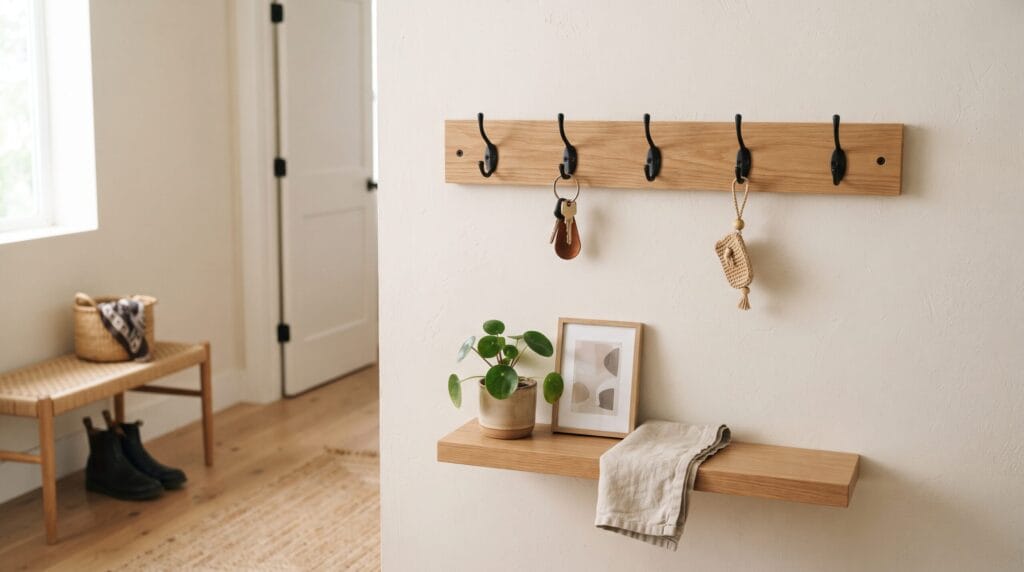
A simple rail can organize keys and small accessories.
Beginner Version
Use a pre-cut wood strip and screw-in hooks.
Make It Look Better
Space the hooks evenly and use one finish.
Installation Note
Use appropriate wall hardware. Do not install into walls where electrical wiring or plumbing may be present unless you know the wall construction and safe drilling zones.
20. Create Matching Storage Labels
Labels are an easy DIY project that can make open storage look more intentional.
Good Uses
- Pantry jars
- Baskets
- Linen closet
- Craft bins
- Laundry supplies
- Office storage
Design Tip
Use one type style and one label size per storage zone.
Avoid labeling every object in sight.
21. Make a Cane or Fabric Drawer Front Insert
A small furniture piece can be updated with a decorative panel.
Suitable Materials
- Cane webbing
- Linen
- Grasscloth-style removable wallpaper
- Painted panel
Best For
- Nightstands
- Small cabinets
- Console drawers
Make It Look Better
Use the insert only on selected fronts rather than every visible surface.
22. Paint a Lampshade Base or Lamp Body
A dated lamp can often be improved without replacing the electrical parts.
Safe DIY Area
Work only on the non-electrical exterior surfaces.
Ideas
- Paint a ceramic lamp base
- Replace the shade
- Add a linen shade
- Coordinate the base with wall color
Safety
Unplug the lamp before handling it. Do not modify wiring, sockets, plugs, or internal electrical components unless qualified.
23. Create a Cord Cover That Blends With the Wall
Visible cords can make otherwise polished spaces look unfinished.
Simple Solution
Use a commercially made paintable cord channel.
Best Use
- Television cables
- Desk cords
- Wall-mounted lighting cords where permitted by product instructions
Important Safety Rule
Never conceal extension cords or cables in a way that creates heat, electrical, or code problems. Follow the cable and cord-cover manufacturer’s guidance.
24. Make a Bedside Shelf From a Ready-Made Wall Shelf
A small wall shelf can replace a bulky nightstand in a tight room.
Best For
- Small bedrooms
- Guest rooms
- Rental spaces where appropriate hardware is allowed
Styling
Keep only:
- Lamp
- Phone
- Book
- Small glass
Safety
Wall-mounted bedside shelves must be securely installed with fasteners appropriate for the wall and expected load.
25. Paint Interior Door Panels
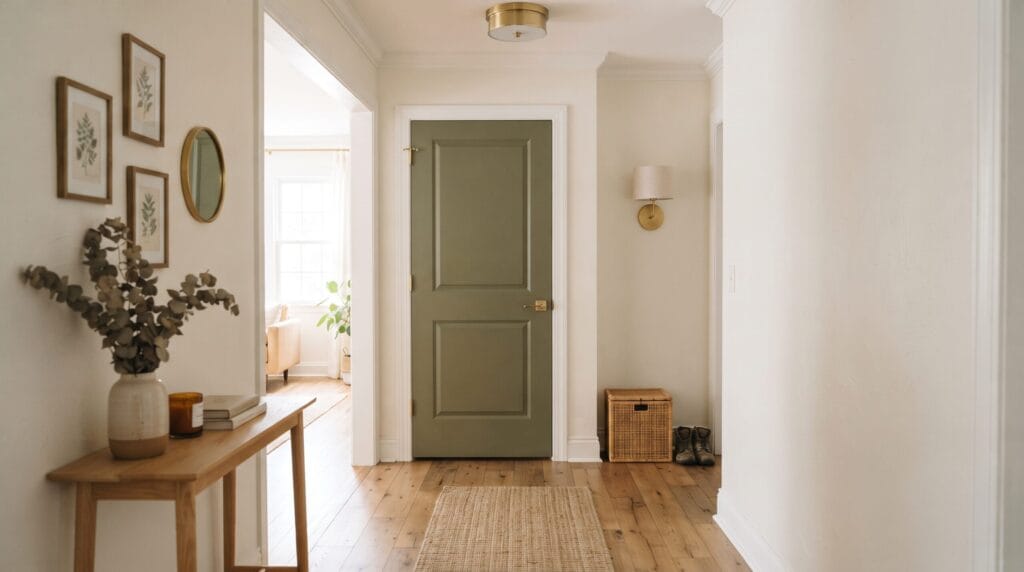
Painting a single door can add character with limited cost.
Good Color Options
- Olive
- Charcoal
- Muted blue
- Deep brown
- Warm white
Make It Look Better
Paint the door carefully and keep the hardware clean.
Preparation
Remove or mask hardware and lightly prepare the surface according to the paint manufacturer’s instructions.
26. Create a Simple Table Centerpiece Bowl
A low centerpiece can make a dining table feel styled without blocking conversation.
Use
- Large shallow bowl
- Seasonal fruit
- Pinecones
- Decorative objects
- Smooth stones
- Dried seed pods
Design Rule
Use one main material or color family.
27. Turn a Large Basket Into Blanket Storage
This is technically more styling than construction, but it is one of the easiest easy DIY home projects for improving a room quickly.
Upgrade the Basket
Add:
- Leather-look tag
- Simple fabric liner
- Matching label
- Coordinated throw
Best Locations
- Living room
- Bedroom
- Guest room
28. Create a Small Coffee Station
Turn one section of a kitchen or dining area into a dedicated zone.
Include
- Coffee maker
- Mugs
- Tray
- Small jar
- Spoon holder
- One decorative element
Why It Looks Good
Grouping related objects makes a counter feel organized rather than crowded.
29. Make a Small Reading Corner
You can transform an unused corner with almost no construction.
Basic Formula
- Chair
- Small table
- Lamp
- Basket
- Cushion or throw
- One piece of art
DIY Element
Paint the small table, frame inexpensive art, or make the cushion cover yourself.
Also Read: 25 Cozy Home Decor Ideas for a Warm and Inviting Space
30. Create a Matching Set of Decorative Planters
Mismatched inexpensive pots can look cohesive with one finish.
Beginner Method
Paint only planters that are suitable for the chosen paint system.
Color Directions
- Warm white
- Sand
- Charcoal
- Terracotta
- Olive
Make It Look Better
Use two or three sizes rather than many different shapes.
Easy DIY Home Projects Comparison Table
| Project | Difficulty | Typical Time | Budget Level | Best Result Tip |
| Painted arch | Easy | 2-4 hours | Low | Use a clean curve |
| Color block wall | Easy | 2-4 hours | Low | Level the tape |
| Framed textile art | Very easy | 30-60 min | Low | Use a large frame |
| Gallery wall | Easy | 1-2 hours | Low to medium | Keep spacing equal |
| Hardware update | Easy | 1-2 hours | Low | Match hole spacing |
| Side table refresh | Easy | Half day | Low | Use thin paint coats |
| Peel-and-stick backsplash | Easy | 2-4 hours | Low to medium | Prepare surface |
| Bookcase back paint | Easy | 2-3 hours | Low | Choose restrained color |
| Plant stand | Easy to moderate | 1-2 hours | Low | Keep it low and stable |
| Fabric pinboard | Very easy | 30-60 min | Low | Use simple fabric |
| Painted door | Easy | Half day | Low | Prepare surface well |
| Reading corner | Very easy | 30-60 min | Low to medium | Edit accessories |
How to Make Beginner DIY Projects Look More Expensive
Use Better Proportions
Large art, correctly sized rugs, and evenly spaced details usually look more intentional.
Repeat Materials
If you use black hardware on one project, repeat black in a lamp or frame.
Choose Matte or Natural-Looking Finishes
Matte paint, simple wood, linen, and restrained metals are forgiving.
Hide Rough Edges
Trim carefully and finish visible ends.
Use a Limited Color Palette
Three or four related colors are easier to coordinate.
Photograph the Project Before You Finish
A phone photo can reveal uneven spacing, awkward scale, or visual clutter.
DIY Mistakes Beginners Should Avoid
Starting Without Measuring
A few minutes of measuring can prevent wasted materials.
Buying Materials Before Choosing the Final Size
Decide dimensions first.
Rushing Surface Preparation
Paint and adhesive products need suitable surfaces.
Using Too Much Decorative Detail
Simple usually looks better.
Ignoring Drying and Curing Time
Paint that feels dry may not be fully cured.
Mounting Heavy Items Without Proper Hardware
Use fasteners appropriate for the wall type and load.
Attempting Electrical or Plumbing Work Without Experience
Cosmetic DIY is a good place to learn. Safety-critical work is not.
Easy DIY Home Projects Checklist
Use this easy DIY home projects checklist before starting:
- The project is cosmetic or low-risk.
- The final dimensions are measured.
- Materials fit the intended surface.
- Manufacturer instructions have been read.
- The color palette matches the room.
- Wall locations have been checked before drilling.
- The expected load is known.
- Proper wall fasteners are available.
- Eye protection is available for drilling or sanding.
- The workspace is ventilated when required.
- Drop cloths protect floors and furniture.
- Paint and adhesive curing time is included in the plan.
- A simple test area has been completed.
- The design works with existing furniture.
- Electrical, plumbing, gas, and structural work are left to qualified professionals.
Frequently Asked Questions
What Are the Best Easy DIY Home Projects for Complete Beginners?
Good first projects include framed fabric art, a gallery wall, painted furniture, a color-blocked wall, cabinet hardware replacement, a fabric pinboard, simple storage labels, and a styled coffee station.
Which DIY Projects Make a Home Look More Expensive?
Large-scale art, improved lighting, coordinated hardware, better furniture finishes, clean wall treatments, and simple custom-looking storage can raise perceived quality.
How Much Should a Beginner DIY Project Cost?
Many cosmetic projects can be completed for less than $100, but cost depends on materials, room size, tools already owned, and local prices.
Do I Need Power Tools for DIY Home Projects?
No. Many beginner projects need only measuring tools, a screwdriver, paint supplies, scissors, or a utility knife.
Is Peel-and-Stick Decor Worth Using?
It can work well for temporary or low-commitment updates when the product is suitable for the surface and environment.
How Do I Keep DIY Projects From Looking Cheap?
Focus on clean edges, consistent spacing, simple colors, accurate measurements, and fewer decorative materials.
Which DIY Jobs Should Beginners Avoid?
Avoid electrical wiring, gas work, structural changes, major plumbing, heavy overhead installation, and any project where failure could cause injury or significant property damage.
Conclusion
The most successful easy DIY home projects are not necessarily the most complicated.
A painted arch, framed textile, better hardware, refreshed side table, simple plant stand, or organized coffee station can transform a room when the proportions, colors, and finishing details are handled carefully. Beginners should focus on projects with low risk and a clear visual payoff.
Start with one small area. Measure carefully, prepare the surface, and keep the design simple. Finish the edges, allow materials to cure properly, and stop before adding unnecessary detail.
DIY becomes more enjoyable as your confidence grows. The goal is not to prove that you can build everything yourself. It is to make thoughtful improvements that suit your home, your budget, and your current skill level. When a project moves into structural, electrical, plumbing, or other safety-critical work, bringing in a qualified professional is the better decision.