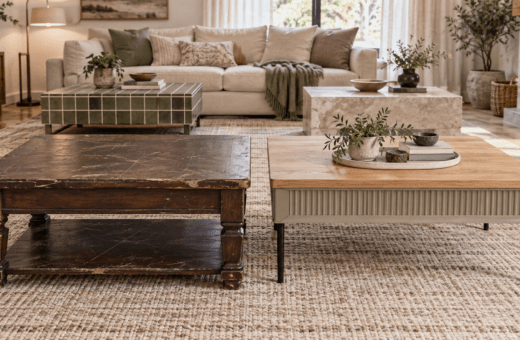
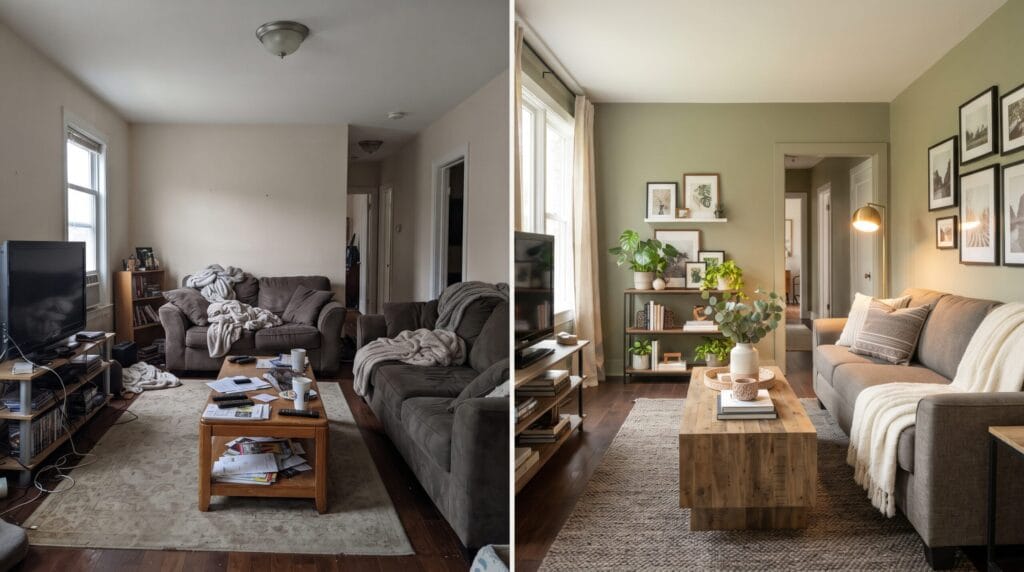
A room can feel completely different without changing its floor plan, replacing every piece of furniture, or starting a major renovation. The best room makeover ideas focus on the details that shape how a space looks and functions: furniture placement, lighting, color, rugs, curtains, artwork, storage, texture, and visual balance.
Many rooms feel tired because several small issues have accumulated over time. Furniture may be pushed against the walls, lighting may come from one ceiling fixture, surfaces may be crowded, and decorative objects may no longer work together. Fixing these problems can create a much bigger transformation than simply buying more things.
A successful makeover should begin with what you already own. Rearrange first, edit second, and purchase last. Moving a chair, replacing a lampshade, hanging curtains higher, introducing one larger piece of art, or clearing a cluttered console can dramatically improve a room.
This guide explores practical room makeover ideas for living rooms, bedrooms, kitchens, bathrooms, entryways, home offices, rental homes, and small spaces. Most ideas can be completed gradually, making them useful whether your budget is small or you are planning a more substantial refresh.
Why Simple Room Makeover Ideas Work
The strongest room makeover ideas target visible problems instead of changing everything at once.
Small updates can:
- Improve furniture flow
- Make a room feel larger
- Increase natural light
- Create a clearer focal point
- Reduce clutter
- Add warmth
- Improve comfort
- Make old furniture feel more intentional
- Refresh the color palette
- Connect different parts of the room
The goal is not to make the room look new. It is to make it feel considered.
Before You Start – Identify the Main Problem
Before buying paint, cushions, or furniture, decide what is actually wrong with the room.
Ask These Questions
- Does the room feel too dark?
- Is the furniture layout awkward?
- Does the room lack a focal point?
- Are there too many small objects?
- Is the color palette inconsistent?
- Does the room feel cold?
- Is storage inadequate?
- Are the rug and artwork too small?
- Does the space feel unfinished?
Choose one primary problem and solve it first.
1. Rearrange the Furniture
One of the easiest room makeover ideas is completely free.
Try This
- Pull the sofa away from the wall.
- Move chairs closer to the conversation area.
- Place side tables where people actually need them.
- Remove one unnecessary piece of furniture.
- Create a clear walking path.
Why It Works
Better furniture placement improves both function and balance.
Take a photo before and after. A camera often reveals spacing problems more clearly than standing inside the room.
2. Create One Strong Focal Point
Every room benefits from a clear visual anchor.
Possible Focal Points
- Fireplace
- Large artwork
- Window view
- Headboard
- Statement light
- Bookcase
- Feature wall
Arrange furniture and accessories to support the focal point rather than creating several competing centers of attention.
3. Paint One Wall or Architectural Detail
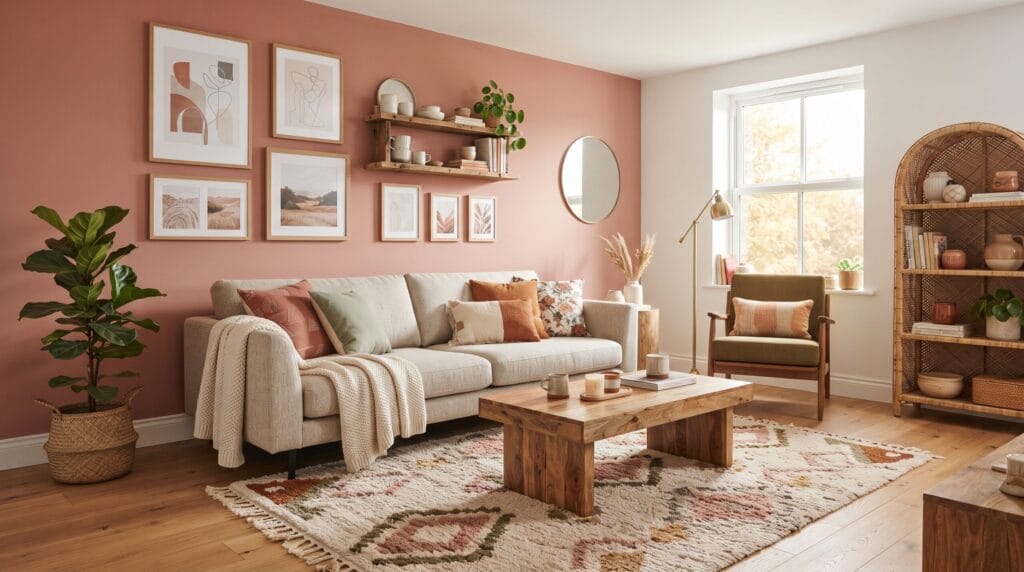
You do not need to repaint an entire room.
High-Impact Options
- Accent wall
- Door
- Built-in shelves
- Alcove
- Fireplace surround
- Cabinet island
Color Direction
Choose a shade already present in your rug, artwork, or textiles.
This helps the new color feel connected to the rest of the room.
4. Use a Larger Area Rug
An undersized rug can make furniture look disconnected.
Living Room
Try to place at least the front legs of the sofa and main chairs on the rug.
Bedroom
Choose a rug that extends beyond the sides and foot of the bed.
Why It Works
A correctly sized rug visually groups furniture and makes the room feel more finished.
Also Read: 30 Living Room Ideas for a Comfortable and Stylish Home
5. Upgrade the Curtains
Curtains can change the proportions of a room.
Hang Them Higher
Mounting the rod above the window frame can make ceilings feel taller.
Extend Them Wider
A wider rod lets curtains sit beside the glass instead of blocking daylight.
Choose the Right Length
Floor-length panels usually look more intentional in living rooms and bedrooms.
6. Add Layered Lighting
A single overhead fixture often makes a room feel flat.
Use Three Lighting Types
- Ambient lighting
- Task lighting
- Accent lighting
Example
A living room might combine a ceiling fixture, floor lamp, table lamp, and small wall light.
Layered lighting adds depth and gives you more control over the mood.
7. Replace a Basic Lampshade
A new shade can refresh an existing lamp at a low cost.
Try
- Linen
- Pleated fabric
- Woven material
- Simple drum shade
- Soft neutral color
Make sure the shade is appropriately scaled for the base.
8. Add a Large Mirror
Mirrors can reflect daylight and create visual depth.
Best Locations
- Opposite a window
- Above a console
- In an entryway
- Above a dresser
- On a dining wall
Important Detail
Check the reflection before hanging the mirror.
A mirror reflecting clutter simply doubles the visual noise.
9. Use Larger Artwork
Small art often makes a large wall feel even emptier.
Good Locations
- Above a sofa
- Above a bed
- Dining room
- Hallway
- Home office
Budget-Friendly Options
- Large print
- Framed textile
- Photography
- DIY abstract canvas
- Vintage poster
One larger piece can look more sophisticated than many unrelated small frames.
10. Build a Simple Gallery Wall
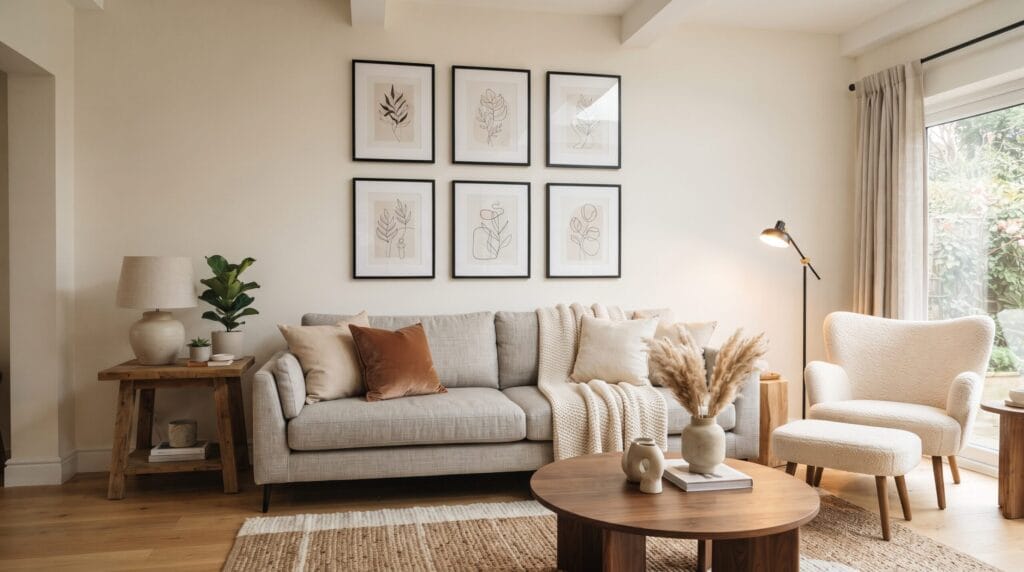
If you prefer several pieces, use a clear system.
Easy Gallery Wall Formula
Choose either:
- Matching frames
- Matching mat sizes
- Consistent spacing
- One color family
Lay the full arrangement on the floor before hanging it.
11. Refresh Cushions and Throws
Textiles are among the fastest room makeover ideas for changing a color palette.
Combine
- One solid cushion
- One subtle pattern
- One textured fabric
- One throw
Good Textures
- Linen
- Cotton
- Wool
- Velvet
- Boucle
- Knits
Repeat one color already present in the room.
12. Bring in Greenery
Plants introduce natural shape, texture, and color.
Easy Placements
- Tall plant in an empty corner
- Small plant on a shelf
- Trailing plant on a cabinet
- Herbs in the kitchen
- Branches in a large vase
Choose plants according to the actual light conditions.
13. Restyle Shelves
Shelves often look crowded because every space is filled.
Start by Removing Items
Take everything off and return only the objects worth displaying.
Group
- Books
- Ceramics
- Framed art
- Plants
- Bowls
- Sculptural pieces
Leave Empty Space
Negative space makes each object easier to see.
Also Read: 25 Cozy Home Decor Ideas for a Warm and Inviting Space
14. Use Trays to Organize Small Objects
A tray turns several small objects into one visual composition.
Good Locations
- Coffee table
- Kitchen counter
- Bathroom vanity
- Entry console
- Nightstand
Add
- Candle
- Vase
- Bowl
- Book
- Everyday essentials
This technique is especially useful in smaller rooms.
15. Refresh a Small Furniture Piece
A side table, nightstand, or small cabinet can be transformed with paint or new hardware.
Basic Process
- Clean the surface.
- Lightly sand if needed.
- Prime when required.
- Apply thin coats of paint.
- Allow proper drying time.
- Replace hardware.
Refined Colors
- Warm white
- Olive
- Charcoal
- Muted blue
- Taupe
16. Replace Cabinet Hardware
New knobs and pulls can quickly refresh a kitchen, bathroom, dresser, or wardrobe.
Popular Finishes
- Matte black
- Brushed brass
- Nickel
- Bronze
- Natural wood
Measure the existing hole spacing before buying replacements.
17. Simplify the Kitchen Counters
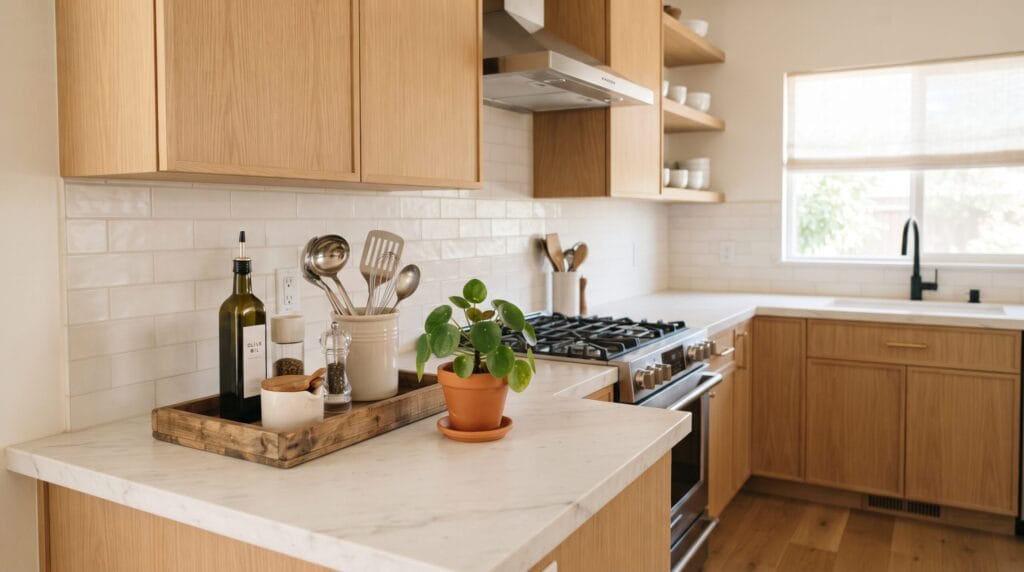
A kitchen can look dramatically better without replacing cabinets.
Keep Out Only Daily Essentials
Group frequently used objects on one tray.
Store:
- Duplicate appliances
- Rarely used utensils
- Packaging
- Paper clutter
Add one decorative element such as a plant, fruit bowl, or vase.
18. Refresh the Bathroom With Textiles
Bathrooms respond well to small, coordinated updates.
Replace or Coordinate
- Towels
- Bath mat
- Shower curtain
- Hand towels
Add
- Small tray
- Basket
- Plant
- Framed art
Choose materials that tolerate humidity and are easy to clean.
19. Give the Bedroom a Bedding Makeover
The bed is usually the largest visual feature in a bedroom.
Simple Formula
- Neutral sheets
- Duvet or quilt
- Sleeping pillows
- Two larger decorative pillows
- One accent cushion
- Throw at the foot
Use two or three related tones to keep the bed calm.
20. Create a More Welcoming Entryway
Entryways need to look good while controlling everyday clutter.
Include
- Mirror
- Console or narrow shelf
- Tray for keys
- Hooks
- Basket
- Shoe storage
- Runner
Small Entryway Version
Use a wall mirror, narrow shelf, hooks, and one basket.
21. Create a Small Reading Corner
An unused corner can become a useful zone.
Basic Formula
- Comfortable chair
- Small table
- Reading lamp
- Basket
- Cushion or throw
- One piece of art
A reading corner makes a room feel more intentional without major construction.
22. Add Natural Materials
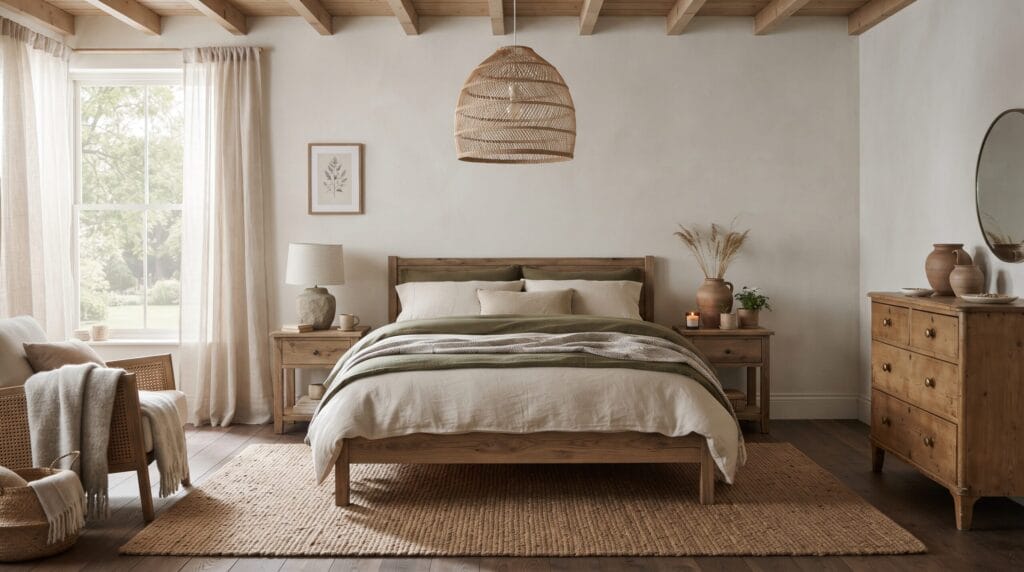
Natural materials create warmth and depth.
Use
- Wood
- Stone
- Linen
- Jute
- Cane
- Clay
- Woven fibers
Mix smooth and rough textures rather than repeating one finish everywhere.
23. Repeat Colors Around the Room
Color repetition creates cohesion.
Example
If your artwork includes muted green, repeat it in:
- Cushion
- Vase
- Throw
- Plant pot
Do not match everything exactly.
Variation within the same color family looks more natural.
24. Mix Old and New Pieces
A room filled entirely with new furniture can feel impersonal.
Add Character With
- Vintage mirror
- Antique side table
- Handmade ceramic
- Older artwork
- Inherited object
- Secondhand chair
Mixing eras gives a room visual depth.
25. Use Baskets for Attractive Storage
Storage can become part of the decor.
Baskets Work Well For
- Blankets
- Toys
- Towels
- Shoes
- Laundry
- Magazines
Repeat similar materials or colors so storage feels coordinated.
26. Improve Your Home Office Background
A home office can feel more polished with only a few changes.
Use
- One large artwork
- Closed storage
- Task lamp
- Plant
- Small shelf
Keep the desk surface mostly clear so the room still functions as a workspace.
27. Make Small Spaces Feel Larger
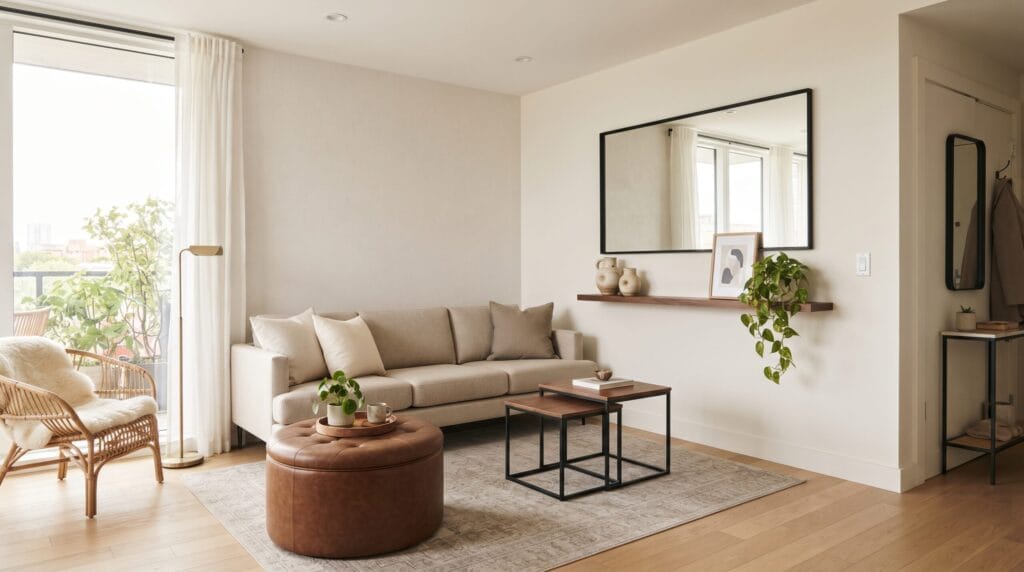
Small spaces need fewer but more useful objects.
Prioritize
- Multifunctional furniture
- Mirrors
- Vertical storage
- Wall-mounted lighting
- Clear pathways
- Larger rather than many tiny accessories
Avoid
Too many small containers and decorative objects.
28. Use Removable Decor in Rental Homes
Renters can refresh a space without permanent changes.
Good Options
- Rugs
- Lamps
- Curtains
- Artwork
- Mirrors with approved mounting
- Removable wall treatments
- Freestanding storage
Check the lease before painting, drilling, or applying adhesives.
29. Change the Room With Seasonal Accessories
You do not need to redecorate completely every season.
Rotate
- Cushion covers
- Throws
- Branches
- Table linens
- Small artwork
- Decorative bowls
Store off-season pieces so the room remains uncluttered.
30. Edit Before Buying Anything Else
One of the most powerful room makeover ideas is removing visual clutter.
Review
- Coffee table
- Shelves
- Nightstands
- Kitchen counters
- Bathroom vanity
- Entry console
- Desk
Ask
- Is this useful?
- Is it meaningful?
- Does it fit the room?
- Is the scale right?
- Would the room feel calmer without it?
Try removing questionable objects for one week before deciding whether to bring them back.
Room Makeover Ideas by Budget
| Budget | Best Updates | Expected Impact |
| $0 | Rearrange furniture, declutter, restyle shelves | High when layout is the problem |
| Under $50 | Cushions, tray, branches, knobs, paint sample area | Quick visual refresh |
| $50-$150 | Curtains, mirror, artwork, bedding, lampshade | Noticeable makeover |
| $150-$400 | Rug, lighting, accent chair, larger art | Major room improvement |
| $400+ | Larger furniture or custom window treatments | Long-term transformation |
Prices vary depending on location, quality, and whether items are new, vintage, or secondhand.
A Simple Weekend Room Makeover Plan
Friday Evening
- Define the room goal.
- Measure walls and furniture.
- Gather supplies.
- Remove clutter.
- Patch minor wall holes.
Saturday Morning
- Paint.
- Clean.
- Rearrange furniture.
- Replace simple hardware.
Saturday Afternoon
- Position rug.
- Hang curtains.
- Add mirror or artwork.
- Adjust lighting.
Sunday
- Style shelves.
- Add textiles.
- Organize storage.
- Edit surfaces.
- Photograph the final result.
Common Room Makeover Mistakes
Buying Accessories Before Fixing the Layout
A better layout may eliminate the need for more objects.
Choosing the Wrong Scale
Small rugs, artwork, and lamps can make rooms feel fragmented.
Using Only One Light Source
Layered lighting creates depth.
Matching Everything
Coordination is more interesting than exact matching.
Overfilling Surfaces
Empty space is part of the design.
Ignoring Function
A room should still be comfortable and easy to use.
Starting Too Many Projects
Finish one room or one clear zone before starting another.
Room Makeover Ideas Checklist
Use this room makeover ideas checklist:
- The main room problem is defined.
- The furniture layout supports movement.
- There is one clear focal point.
- The rug is appropriately scaled.
- Lighting comes from more than one source.
- Curtains fit the window and room proportions.
- Artwork fits the wall scale.
- Storage supports daily routines.
- Surfaces are not overloaded.
- Textiles add softness.
- Natural materials add warmth.
- Colors repeat naturally.
- Small spaces use vertical storage.
- Rental restrictions have been checked.
- New purchases solve a specific problem.
Frequently Asked Questions
What Are the Easiest Room Makeover Ideas?
Start with furniture rearrangement, decluttering, lighting, cushions, curtains, artwork, mirrors, and shelf styling.
How Can I Make Over a Room on a Small Budget?
Use what you already own, shop secondhand, repaint small areas, replace hardware, change textiles, and focus on one high-impact upgrade.
What Makes a Room Look More Expensive?
Correct scale, layered lighting, larger rugs, full-length curtains, cohesive colors, natural materials, and fewer but better-styled objects can improve perceived quality.
How Do I Make a Small Room Feel Bigger?
Keep pathways clear, reduce clutter, use mirrors, choose appropriately scaled furniture, and use vertical storage.
Can I Make Over a Rental Room?
Yes. Focus on reversible changes and check your lease before painting, drilling, or using adhesive products.
Should I Redecorate the Whole Room at Once?
No. Start with layout and the largest visual elements, then add smaller details gradually.
How Do I Know When a Room Makeover Is Finished?
The room should function well, feel balanced, and contain enough negative space that the important pieces stand out.
Conclusion
The best room makeover ideas are often simple changes applied in the right order.
Start with layout, function, and clutter. Then improve the largest visual elements, such as rugs, curtains, lighting, artwork, and bedding. Add texture through textiles and natural materials, and use storage to keep everyday objects under control.
A refreshed room should not feel like a showroom. It should feel easier to use, more comfortable, and more connected to your personal style.
You do not need to replace everything. A better furniture arrangement, larger mirror, warmer lamp, refreshed side table, or carefully edited shelf can completely change the character of a space. When each update solves a real problem, even a simple makeover can create a room that feels new again.