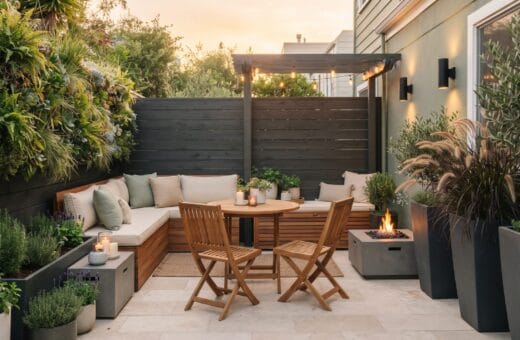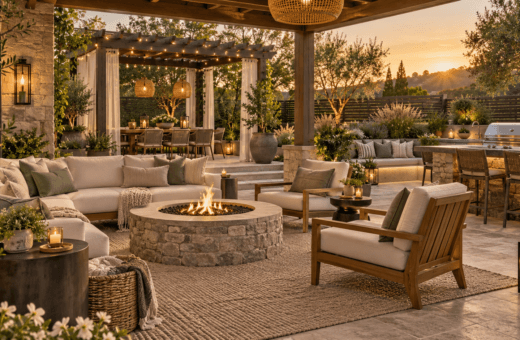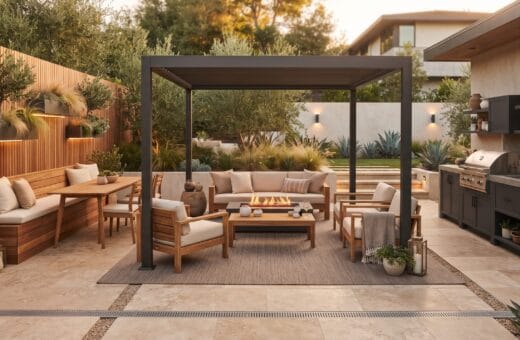
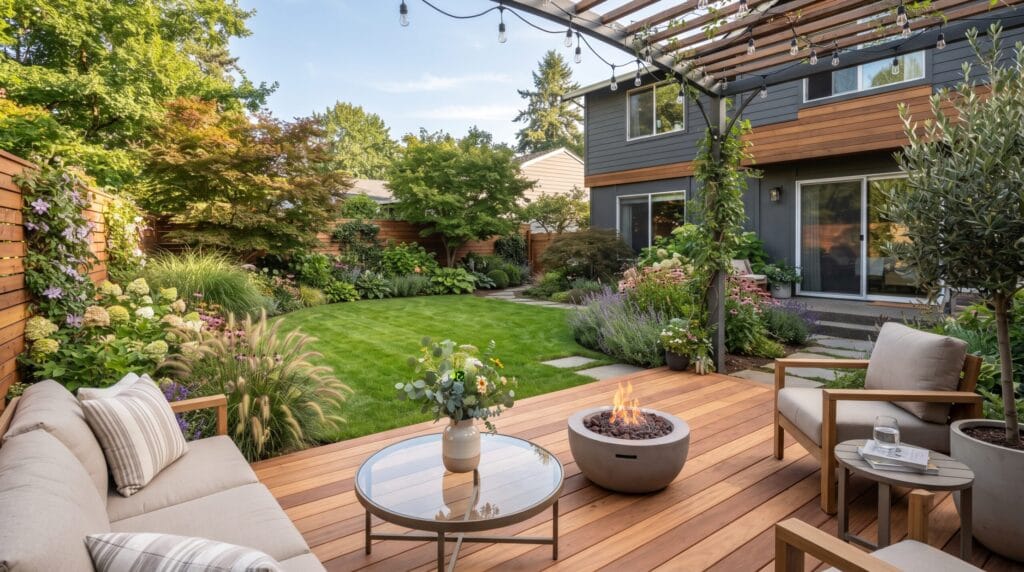
A beautiful backyard does not need to be enormous, expensive, or professionally landscaped. The best backyard ideas improve how the outdoor space functions first, then use planting, furniture, lighting, shade, privacy, and decorative details to make it feel more inviting.
A successful yard usually has a purpose. It may be a place for outdoor dining, family gatherings, gardening, reading, entertaining, children’s play, or simply relaxing at the end of the day. Once you decide how you want to use the space, it becomes much easier to choose the right layout and avoid buying features that do not fit your lifestyle.
The biggest backyard transformations often come from a few high-impact changes. A defined seating area can make an empty lawn feel intentional. Outdoor lighting can extend the use of the space into the evening. Trees, screens, or layered planting can improve privacy. A path, rug, or change in paving can help separate activity zones without building permanent walls.
This guide shares 25 practical backyard ideas for large yards, compact patios, rental-friendly spaces, family gardens, and low-maintenance landscapes. The ideas range from free layout changes to larger investments, so you can improve your outdoor space gradually.
How to Plan a Backyard Before You Start
Before buying furniture or plants, make a simple plan.
Decide How You Want to Use the Space
Common backyard functions include:
- Relaxing
- Outdoor dining
- Entertaining
- Gardening
- Children’s play
- Exercise
- Cooking
- Reading
- Pet space
Observe Sun and Shade
Watch how sunlight moves across the yard.
This affects:
- Seating
- Plants
- Dining areas
- Shade structures
- Outdoor kitchens
Measure the Area
Record:
- Patio dimensions
- Lawn area
- Door locations
- Existing trees
- Fences
- Utilities
- Drainage areas
Check Local Rules
Permanent structures, electrical work, fire features, decks, pools, and some landscape projects may require permits or professional installation.
1. Divide the Backyard Into Simple Zones
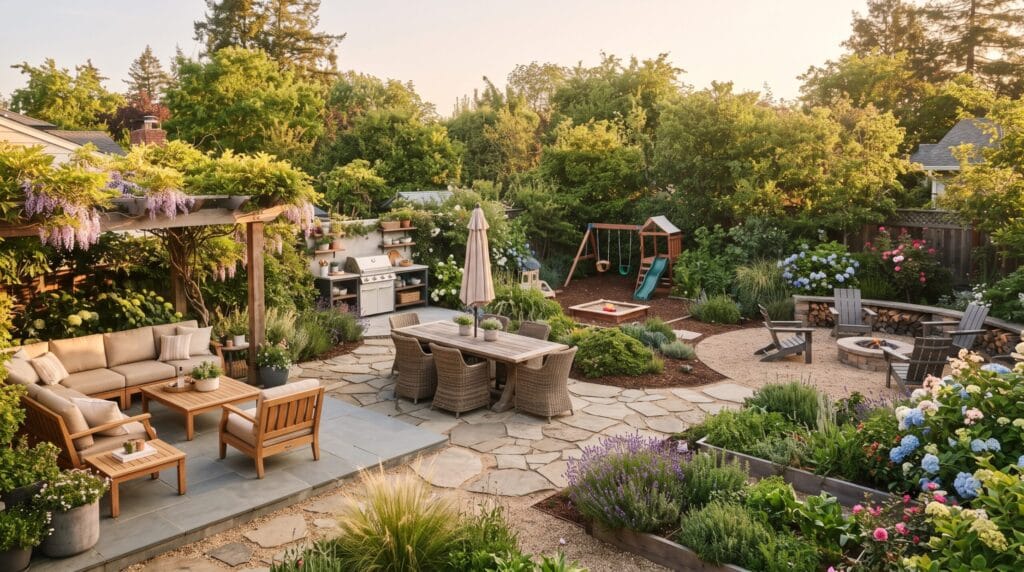
One of the strongest backyard ideas is to create separate activity areas.
Possible Zones
- Lounge area
- Dining area
- Grill area
- Garden area
- Play area
- Fire pit zone
Define Zones With
- Rugs
- Pavers
- Gravel
- Planting
- Furniture placement
- Changes in elevation
Why It Works
Zoning makes even a small yard feel organized and purposeful.
2. Create a Comfortable Outdoor Seating Area
Start with seating if relaxation is the main goal.
Use
- Outdoor sofa
- Lounge chairs
- Bench
- Side tables
- Coffee table
Choose Weather-Appropriate Materials
Look for materials suited to your local climate.
Common options include:
- Powder-coated metal
- Teak
- Outdoor-rated wicker
- Durable composite materials
Add Softness
Use outdoor-rated cushions and throws that can be stored when necessary.
3. Add an Outdoor Rug
An outdoor rug can instantly make a patio feel more finished.
Best Uses
- Under a seating group
- Beneath a dining table
- On a covered porch
- On a balcony or deck
Choose the Right Size
The rug should visually connect the furniture rather than float in the middle.
Practical Tip
Choose a rug designed for outdoor use and allow it to dry properly after rain.
4. Create an Outdoor Dining Area
Outdoor dining is one of the most useful backyard ideas for entertaining.
Basic Setup
Use:
- Dining table
- Comfortable chairs
- Shade if needed
- Nearby serving surface
- Outdoor lighting
Placement
Position the dining area near the kitchen when practical.
This reduces unnecessary trips while serving food.
Small-Space Version
Use:
- Bistro table
- Folding chairs
- Narrow bench
- Extendable table
5. Add String Lights for Evening Atmosphere
Lighting can completely change the mood of a backyard.
Use String Lights
Install them over:
- Patio
- Dining area
- Pergola
- Deck
- Fence line
Combine With Other Lighting
Add:
- Path lights
- Lanterns
- Table lamps rated for outdoor use
- Wall fixtures
- Step lighting
Safety
Use outdoor-rated electrical products and follow manufacturer instructions. Permanent electrical work should be completed according to local requirements.
6. Create Privacy With Screens or Planting
Privacy can make a backyard feel much more comfortable.
Options
- Trellis
- Privacy screen
- Slatted wood panel
- Tall planters
- Hedge
- Bamboo-style screening where appropriate
- Climbing plants
Layer Privacy
Combine a structural screen with plants for a softer effect.
Avoid Blocking Everything
Keep attractive views and useful sunlight when possible.
7. Add Shade With a Pergola or Umbrella
Shade makes outdoor areas more usable during hot weather.
Options
- Market umbrella
- Cantilever umbrella
- Pergola
- Shade sail
- Retractable awning
- Mature tree canopy
Choose Based on Flexibility
Umbrellas and shade sails are easier to change than permanent structures.
Check Wind Exposure
Large umbrellas and shade structures must be securely installed and suitable for local conditions.
8. Build a Simple Fire Pit Area
A fire feature can become a strong gathering point.
Seating Ideas
Arrange:
- Adirondack-style chairs
- Outdoor lounge chairs
- Benches
Surface
Use an appropriate noncombustible area and follow local fire regulations, clearance rules, and manufacturer instructions.
Alternatives
If open flame is restricted, consider a non-flame focal point such as a large outdoor table, lantern grouping, or water feature.
9. Use Gravel for a Budget-Friendly Patio Zone
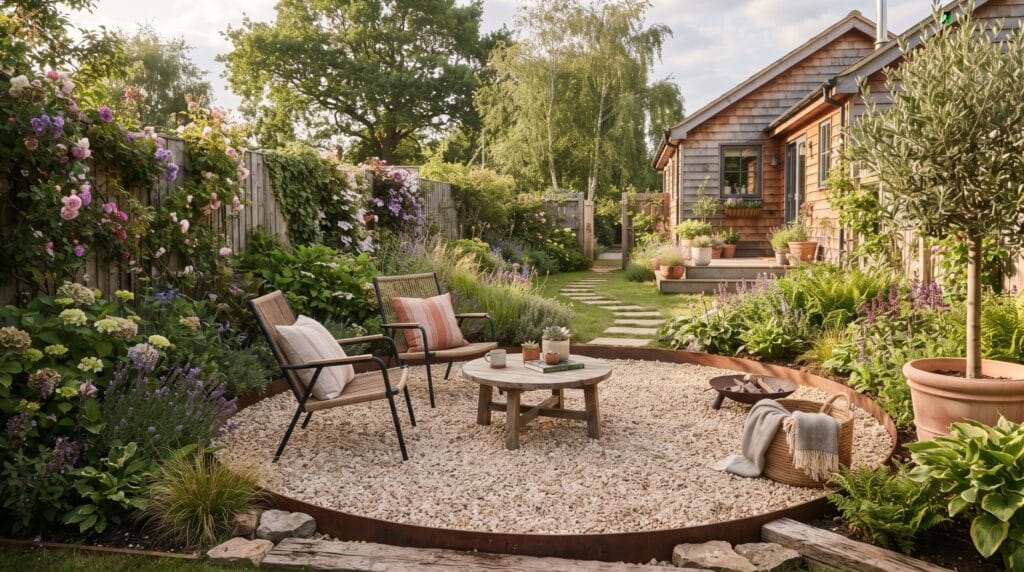
Gravel can create a defined outdoor area without a full paved patio.
Good Uses
- Seating zone
- Fire pit area
- Garden path
- Dining space
Improve Comfort
Use edging to keep gravel contained.
Practical Note
Proper base preparation and drainage are important for long-term performance.
10. Create a Stepping-Stone Garden Path
Paths guide movement and make landscaping feel intentional.
Materials
- Natural stone
- Concrete pavers
- Brick
- Gravel
- Timber-style stepping elements where appropriate
Design Tip
Follow the natural route people already take through the yard.
A path that ignores normal movement can feel inconvenient.
11. Add Raised Garden Beds
Raised beds can organize herbs, vegetables, and flowers.
Benefits
They can:
- Define garden zones
- Improve access
- Separate planting from lawn
- Create visual structure
Materials
Use materials appropriate for outdoor exposure and the type of planting.
Placement
Choose an area with suitable sunlight for the plants you intend to grow.
12. Use Container Gardens for Flexible Color
Container gardening is one of the easiest backyard ideas for renters and small spaces.
Use Pots For
- Herbs
- Flowers
- Small shrubs
- Seasonal plants
- Compact vegetables
Create Groups
Combine planters of different heights but similar materials.
Keep the Palette Cohesive
Repeat two or three planter colors throughout the yard.
13. Add Layered Planting Around the Perimeter
A yard looks more finished when planting has several heights.
Simple Layering Formula
Use:
- Taller shrubs or structural plants
- Medium flowering plants
- Low grasses or groundcover
Why It Works
Layered planting creates depth and softens fences or walls.
Choose for Your Climate
Select species appropriate for local weather, soil, sunlight, and maintenance expectations.
14. Use Ornamental Grasses for Movement and Texture
Grasses can bring softness to modern and natural landscapes.
Good Uses
- Along pathways
- Around patios
- Near fences
- Mixed with flowering plants
Visual Benefit
Their movement adds interest even when flowers are not in bloom.
Maintenance
Choose varieties suited to your region and available space.
15. Create a Small Water Feature
Water can add sound and movement to a garden.
Options
- Small fountain
- Recirculating bowl
- Wall fountain
- Compact pond
Place It Near Seating
The sound is most useful where people can enjoy it.
Safety and Maintenance
Consider electrical safety, water treatment, children, pets, mosquitoes, and ongoing maintenance before installation.
16. Build a Cozy Reading Corner
Not every backyard needs to focus on entertaining.
Use
- Comfortable chair
- Small table
- Shade
- Outdoor cushion
- Planting
- Soft lighting
Best Location
Choose a quieter area away from the main dining or play zone.
Why It Works
A small dedicated corner can make a large yard feel more personal.
17. Add an Outdoor Kitchen or Grill Station
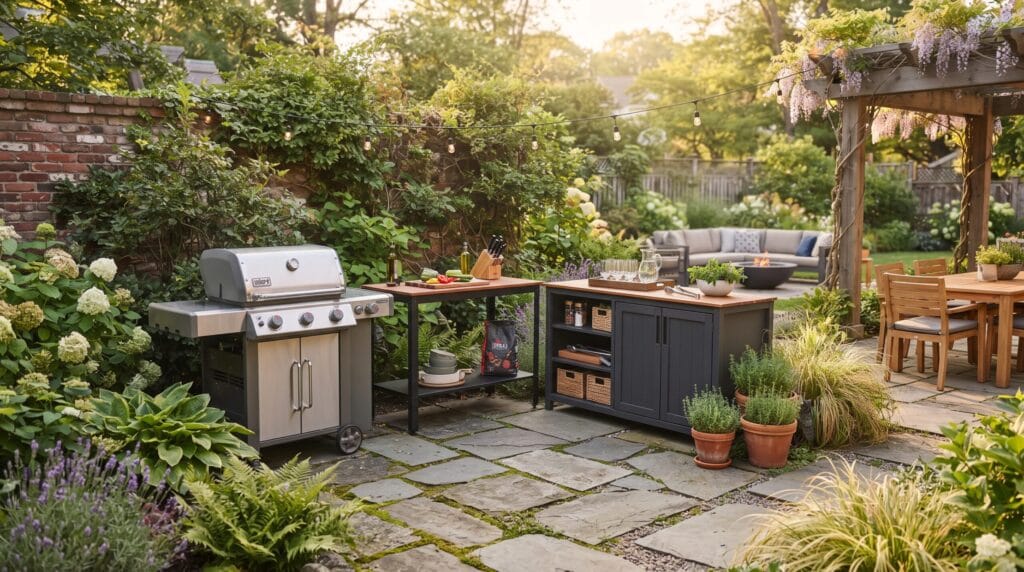
If you cook outdoors often, create a dedicated zone.
Basic Version
Use:
- Grill
- Prep table
- Weather-resistant storage
- Serving surface
Larger Version
May include:
- Built-in grill
- Countertop
- Sink
- Refrigerator
- Storage
Plan Carefully
Outdoor cooking areas should account for ventilation, clearances, utilities, weather exposure, and local codes.
18. Improve the Fence With Paint or Stain
A tired fence can affect the whole yard.
Update Options
- Clean
- Repair
- Stain
- Paint
- Add climbing plants
Color Ideas
- Natural wood tone
- Charcoal
- Warm brown
- Soft gray
Why It Works
A consistent fence becomes a quiet backdrop for plants and furniture.
19. Add Vertical Greenery
Vertical planting can make a small yard feel lush without using much floor area.
Use
- Trellis
- Wall planter
- Climbing vine
- Hanging pot
- Narrow vertical garden
Best For
- Compact patios
- Balconies
- Side yards
- Fence lines
Keep Access in Mind
Plants still need watering, pruning, and enough light.
20. Hide Outdoor Clutter With Storage
A beautiful yard still needs practical storage.
Store
- Cushions
- Garden tools
- Toys
- Outdoor games
- Small equipment
Storage Options
- Deck box
- Storage bench
- Garden cabinet
- Shed
- Bench with hidden compartment
Why It Works
Clear surfaces and paths make the whole yard feel calmer.
21. Create a Family-Friendly Play Area
Children’s areas can be integrated into the landscape.
Options
- Lawn games
- Sandbox
- Playhouse
- Swing
- Climbing structure
- Chalk wall
- Water table
Keep It Visible
Place play areas where adults can supervise easily.
Plan for Change
Choose elements that can be removed or adapted as children grow.
22. Design a Pet-Friendly Backyard Zone
Pets also influence how a yard functions.
Consider
- Secure fencing
- Shade
- Durable planting
- Water access
- Paths
- Easy-to-clean surfaces
Protect Plants
Research whether plants are appropriate around your pets.
Add a Defined Area
A dedicated relief or play zone can make maintenance easier.
23. Make a Small Backyard Feel Larger
Small yards benefit from clear structure.
Use
- One main seating group
- Vertical planting
- Multifunctional furniture
- Fewer plant varieties
- Mirrors only where safe and appropriate
- Light visual materials
- Built-in benches
Avoid
Too many tiny furniture pieces and several competing zones.
Key Idea
A small space often looks larger when it has one strong purpose.
24. Refresh the Backyard on a Budget
You can improve a yard without replacing major hardscaping.
Free Changes
- Rearrange furniture
- Remove clutter
- Prune overgrown plants
- Clean paving
- Move planters
Low-Cost Changes
- Outdoor cushions
- Solar path lights
- Paint
- Gravel
- Small planters
- Secondhand furniture
Higher-Impact Budget Choices
Spend more carefully on:
- Shade
- Seating
- Lighting
- Large planters
- Storage
These improvements affect comfort as well as appearance.
25. Edit the Backyard Before Adding More
The final and most important of these backyard ideas is editing.
Outdoor spaces can become cluttered with planters, furniture, toys, garden ornaments, and unused equipment.
Review
- Patio
- Lawn
- Fence line
- Dining area
- Garden beds
- Storage
- Pathways
Ask
- Is this used?
- Is it weather-resistant?
- Does it fit the layout?
- Does it block movement?
- Is the scale right?
- Does it make the yard feel better?
Remove What Does Not Work
A simpler yard often feels larger, calmer, and easier to maintain.
Backyard Ideas by Budget
| Budget | Best Upgrades | Typical Impact |
| $0 | Rearrange furniture, clean, prune, declutter | High when the space lacks order |
| Under $100 | Cushions, planters, path lights, paint | Quick visual refresh |
| $100-$500 | Outdoor rug, umbrella, gravel zone, dining set | Strong functional improvement |
| $500-$2,000 | Pergola elements, fire feature, larger seating, raised beds | Major transformation |
| $2,000+ | Patio, built-in kitchen, permanent structures, major landscaping | Long-term outdoor upgrade |
Costs vary significantly by location, labor, material, yard size, and permit requirements.
Backyard Ideas by Space Type
| Space | Main Priority | Best Features | Avoid |
| Small backyard | Flexibility | Vertical planting, bench seating, one main zone | Too many furniture pieces |
| Large backyard | Zoning | Dining, lounge, garden, paths | Empty disconnected lawn |
| Rental | Reversible upgrades | Pots, rugs, lights, freestanding furniture | Unapproved permanent work |
| Family yard | Durability | Lawn, play zone, storage, shade | Fragile decor in activity areas |
| Entertaining yard | Seating and lighting | Dining, lounge, serving area | Poor circulation |
| Low-maintenance yard | Simplicity | Hardy plants, gravel, storage | Too many high-care plant varieties |
How to Make a Backyard Look More Expensive
A polished outdoor space usually relies on scale and consistency.
Coordinate Materials
Repeat two or three materials, such as:
- Wood
- Black metal
- Stone
- Woven fiber
Use Larger Planters
A few substantial containers often look more intentional than many tiny pots.
Improve Lighting
Layer string, path, and accent lighting.
Hide Clutter
Outdoor storage makes furniture and landscaping more visible.
Keep the Palette Controlled
Repeat colors across cushions, planters, furniture, and flowers.
Low-Maintenance Backyard Ideas
A lower-maintenance yard begins with realistic plant and material choices.
Consider
- Climate-appropriate plants
- Mulched beds
- Gravel zones
- Durable outdoor furniture
- Automatic irrigation where suitable
- Closed storage
- Fewer plant varieties
Avoid Overcomplication
Too many different plants, materials, and decorative features create more maintenance.
Common Backyard Design Mistakes
Buying Furniture Before Measuring
Outdoor furniture can be larger than expected.
Ignoring Shade
A beautiful seating area may be unusable during the hottest part of the day.
Using Too Many Small Planters
Several tiny pots can create visual clutter.
Forgetting Lighting
Outdoor spaces often need several light sources after sunset.
Ignoring Drainage
Water problems can damage planting and hardscape.
Creating Too Many Zones
Small yards should not be divided into more functions than they can comfortably support.
Forgetting Storage
Cushions, tools, toys, and equipment need a place.
Choosing Plants Only for Appearance
Plant selection should consider climate, sunlight, soil, mature size, and maintenance.
Backyard Ideas Checklist
Use this backyard ideas checklist:
- The main purpose of the yard is clear.
- Sun and shade patterns have been observed.
- The space has been measured.
- Furniture fits the available area.
- Walkways remain clear.
- Seating is comfortable.
- Dining is positioned conveniently.
- Shade is available where needed.
- Lighting supports evening use.
- Privacy feels adequate.
- Plant choices suit local conditions.
- Storage handles outdoor clutter.
- Paths guide movement naturally.
- The color and material palette is cohesive.
- Permanent projects have been checked for local requirements.
- Fire and electrical features are planned safely.
- New purchases solve a real problem.
- The yard feels useful as well as attractive.
Frequently Asked Questions
What Are the Easiest Backyard Ideas for Beginners?
Start with cleaning, rearranging furniture, adding planters, improving lighting, creating one seating zone, and introducing an outdoor rug or umbrella.
How Can I Make My Backyard Beautiful on a Budget?
Use what you already own, prune and clean existing landscaping, shop secondhand, add paint, move planters, use gravel strategically, and focus on one high-impact zone.
What Makes a Backyard Look More Expensive?
Larger planters, coordinated materials, comfortable seating, strong lighting, defined zones, hidden storage, and a controlled color palette can create a more polished look.
How Do I Make a Small Backyard Look Bigger?
Use one main function, vertical planting, built-in or multifunctional seating, clear pathways, and fewer but larger decorative elements.
What Is the Best Backyard Feature for Entertaining?
A comfortable seating or dining area with shade and evening lighting usually provides the most practical value.
How Do I Add Privacy to a Backyard?
Use fences where permitted, screens, trellises, tall planters, hedges, or layered planting. Choose solutions that maintain useful sunlight and airflow.
How Can I Make My Backyard Low Maintenance?
Use climate-appropriate plants, fewer plant varieties, durable furniture, good storage, mulch or gravel, and simple hardscape zones.
Conclusion
The best backyard ideas turn an outdoor area into a space that supports the way you actually want to live.
Start by choosing the main purpose of the yard. Then create a clear layout with seating, dining, gardening, play, or relaxation zones as needed. Improve comfort through shade, privacy, lighting, and weather-appropriate furniture.
Use planting to soften boundaries and create depth, but choose species that fit your climate and maintenance preferences. Add storage so cushions, tools, toys, and equipment do not take over the space.
Most importantly, avoid adding features simply because they look attractive in another yard. Your outdoor space should fit your available area, budget, climate, and routines.
When layout, planting, comfort, light, privacy, and storage work together, even a simple backyard can become a beautiful outdoor space that feels like a natural extension of the home.
Also Read: “21 Minimalist Home Decor Ideas for a Calm and Stylish Space“